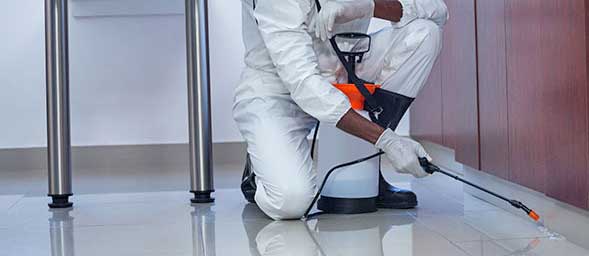
Pests are a persistent problem globally, affecting homes, businesses, and agricultural lands. Effective pest control is essential for maintaining hygiene, protecting crops, and preventing diseases. With advancements in science and technology, modern pest control (απεντόμωση) techniques have become more efficient, eco-friendly, and targeted. Below is a comprehensive overview of the most innovative methods and their applications.
Physical Pest Control Methods
Physical methods involve directly eliminating pests or creating barriers to prevent their entry. This approach is widely used for both residential and agricultural pest control. Techniques include:
• Heat and Cold Treatments: Temperature extremes are used to kill pests. For example, bed bugs can be eradicated by exposing infested areas to heat above 120°F, while freezing temperatures destroy pests in stored grains.
• Traps: Devices like pheromone traps, sticky traps, and rodent snap traps capture pests without requiring chemical intervention. These are particularly effective for monitoring and controlling specific pest populations.
• Netting and Sealing: Installing insect screens on windows and using sealants to close gaps in buildings prevents pest entry.
Physical methods are cost-effective and pose minimal risks to the environment, making them a favored choice for households and small-scale interventions.
Biological Pest Control Practices
Biological techniques use natural enemies of pests, such as predators, parasites, or pathogens, to control pest populations. These methods are an integral part of integrated pest management (IPM) in agriculture. Key approaches include:
• Predator Introduction: Beneficial insects like ladybugs and lacewings feed on common pests like aphids and mites, reducing their numbers naturally.
• Pathogen Deployment: Bacteria, fungi, and viruses lethal to pests are introduced to infected crops. For instance, Bacillus thuringiensis (Bt) is a bacterium that targets specific insects while being harmless to humans and other animals.
• Parasitic Wasps: These wasps lay eggs inside pest larvae, killing them before they develop into adults.
Biological control is a long-term, sustainable solution, but its success depends on proper implementation and monitoring.
Chemical Pest Control Innovations
Although traditional pesticides dominate the market, modern chemistry has introduced safer and more specific solutions. Examples include:
• Targeted Pesticides: Selective pesticides are designed to target specific pests while leaving beneficial organisms unharmed, reducing collateral damage.
• Growth Regulators: These chemicals interfere with the development and reproduction of pests, effectively controlling their lifecycle without immediate toxicity.
• Repellents: Non-lethal repellents drive pests away from treated areas, offering a safer alternative for humans and pets.
Stringent regulations and ongoing research are ensuring these chemical measures comply with environmental safety standards.
Technology-Driven Pest Control
Innovative technology has brought precision and data-driven approaches to pest management. Examples include:
• Ultrasonic Devices: These use high-frequency sound waves to repel pests like rodents and insects. Though effectiveness varies, they are increasingly popular in homes and commercial spaces.
• Smart Monitoring Systems: IoT sensors and AI-driven platforms help detect and track pest activity in real time, allowing for timely interventions.
• Drone Applications: Drones are being used in agriculture to monitor crop health and deploy pesticides with exceptional precision, minimizing waste and environmental impact.
By leveraging cutting-edge tools, pest control has become increasingly efficient and scalable.
A Path Forward in Pest Control
Modern pest control techniques represent a shift towards sustainability and precision. By combining physical, biological, chemical, and technological methods, we can tackle pest infestations effectively while minimizing harm to the environment. These advancements not only protect health and property but also ensure a safer and more balanced ecosystem.
- Service
- 0