Tag Archives: forex market
Forex market trading has undergone a significant transformation in recent years due to the rise of automation. Automated trading systems, algorithmic strategies, and advanced software tools are reshaping how traders approach the market, offering increased efficiency, precision, and accessibility. For both individual and institutional traders, automation is creating new opportunities while changing the dynamics of trading strategies and decision-making.
One of the most notable impacts of automation is speed and efficiency. Automated trading systems can execute orders in milliseconds, far faster than a human trader could. This capability is particularly valuable in the forex market, where prices fluctuate rapidly and small delays can affect profitability. Automation allows traders to respond instantly to market conditions, ensuring timely execution of strategies and minimizing missed opportunities.
Algorithmic trading is another major factor driving change. Traders can design algorithms based on technical indicators, price patterns, and market rules, enabling consistent execution of trades without emotional interference. Algorithms can monitor multiple currency pairs simultaneously, detect signals, and execute trades according to predefined criteria. This systematic approach reduces human error and enhances consistency, making it easier to implement complex strategies across different market conditions.
Automation also supports improved risk management. Traders can program stop-loss, take-profit, and trailing stop orders directly into their automated systems. These features ensure that risk controls are applied consistently, reducing exposure to unexpected market movements and helping preserve capital. By integrating risk management into automated strategies, traders can maintain discipline and avoid common pitfalls caused by impulsive decisions.
Backtesting and strategy optimization are further advantages of automation. Traders can test their algorithms using historical market data to evaluate performance before deploying them in live trading. This process helps identify potential weaknesses, optimize parameters, and increase confidence in the strategy. Continuous monitoring of automated systems also allows for adjustments based on real-time market developments, ensuring strategies remain effective over time.
Finally, automation has made the forex market more accessible to a wider range of participants. Even traders with limited experience can leverage pre-built automated systems or Expert Advisors to implement sophisticated strategies. This democratization of technology allows more individuals to engage in the market and compete effectively alongside professional traders.
In conclusion, automation is revolutionizing the forex market by enhancing speed, precision, and accessibility. Through algorithmic trading, improved risk management, backtesting, and systematic execution, traders can optimize strategies, reduce errors, and adapt quickly to market changes. As automation continues to evolve, it will remain a defining feature of modern forex trading, shaping how participants approach global currency markets.
- Service
- 0
The foreign exchange market operates 24 hours a day, five days a week, but not all trading hours offer equal profit potential. Understanding when major financial centers are active can significantly impact your forex market success and risk management strategies.
Global Trading Sessions Overview
The forex market divides into four major trading sessions. The Sydney session opens at 10:00 PM GMT, followed by Tokyo at 12:00 AM GMT. London begins at 8:00 AM GMT, while New York starts at 1:00 PM GMT. Each session brings distinct characteristics and volatility patterns.
Sydney and Tokyo sessions typically show lower volatility, with average daily ranges of 50-80 pips for major pairs. Asian political developments can create sudden spikes, similar to how Hong Kong protests affected regional currencies or North Korean tensions triggered immediate USD/KRW movements exceeding 50 pips.
London Session: The Volatility Leader
London session generates the highest trading volume, accounting for over 40% of daily forex transactions. EUR/USD, GBP/USD, and other European pairs experience peak volatility during these hours. Average daily ranges expand to 100-150 pips, creating optimal conditions for day traders.
European political events heavily influence morning volatility. Brexit referendum results demonstrated extreme potential, moving GBP/USD by 1,200 pips in a single session. Italian political crises regularly create 100-150 pip movements in EUR/USD, while French election uncertainties produce similar volatility patterns.
New York Session: Momentum and Reversals
The New York session overlaps with London for four hours, creating the most liquid trading period. USD pairs experience maximum volatility during this overlap, with movements often exceeding 200 pips during major economic releases or political announcements.
American political developments significantly impact this session. The 2016 presidential election moved USD/MXN over 800 pips overnight, showcasing how domestic political uncertainty affects currency values. Federal Reserve decisions and political criticism can influence market sentiment throughout these hours.
Session Overlaps: Maximum Opportunity
Trading session overlaps offer the best profit potential. The London-New York overlap from 1:00 PM to 5:00 PM GMT shows highest volatility for USD and EUR pairs. During this period, major economic releases and political announcements create sustained movements lasting several hours.
Asian session overlaps with Sydney provide opportunities in JPY and AUD pairs. However, volatility remains lower unless geopolitical events occur. Military conflicts and regional tensions consistently strengthen JPY as safe-haven flows accelerate during Asian trading hours.
Currency-Specific Trading Times
Each currency pair has optimal trading windows. EUR/USD performs best during European and American sessions, while USD/JPY shows peak activity during Tokyo and New York hours. GBP/USD experiences maximum volatility during London session, often extending into New York overlap.
Commodity currencies like AUD and NZD align with Asian session activity. Political stability in these regions affects trading patterns – political scandals in Australia or New Zealand can create sustained movements similar to how Brazilian political crises weakened BRL against USD.
Political Event Timing Considerations
Geopolitical events create volatility outside normal session patterns. European political news impacts EUR pairs most during London session, while Asian political developments move regional currencies during Tokyo hours. Understanding these patterns improves entry timing and risk management.
Central bank political pressures create sustained trends. Turkish political interference with central bank independence caused TRY collapse, with USD/TRY rising from 3.5 to over 18. Similar patterns emerge when politicians pressure monetary policy decisions across different time zones.
Risk Management Across Sessions
Position sizing must account for session-specific volatility. Asian sessions typically require smaller stops due to lower volatility, while London and New York sessions demand wider margins. Political events can trigger movements exceeding normal technical expectations regardless of session timing.
Weekend gaps present additional risks. Political developments during market closure can create significant price gaps when trading resumes. Experienced traders reduce positions before weekends when political tensions escalate or major announcements are expected.
Maximizing Trading Session Efficiency
Successful forex trading requires matching strategies to appropriate sessions. Scalping works best during high-volatility overlaps, while position trading can utilize quieter Asian sessions for entries. Political calendar awareness prevents unexpected volatility and helps identify optimal trading windows for sustained profit potential.
- Service
- 0
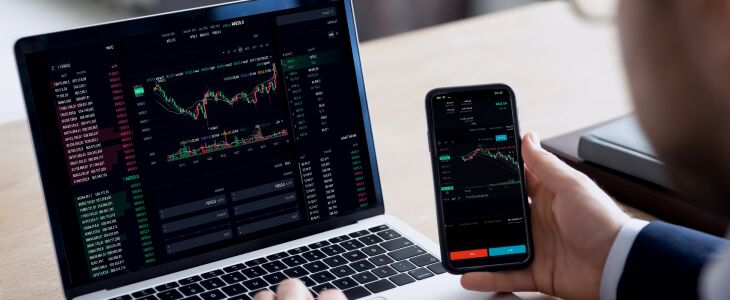
online trading platforms are critical tools for individuals and businesses looking to trade stocks, currencies, and other financial assets. With countless options flooding the market, selecting the right platform tailored to your needs can be overwhelming. Whether you’re a beginner exploring the market or an experienced trader, having the right platform can make a significant difference. Here’s a concise guide to help you make an informed decision.
1. Assess Your Trading Goals
The first step in choosing a trading platform is clarifying your financial goals. Are you looking to trade frequently, or are you more of a long-term investor? Do you plan to trade stocks, forex, or cryptocurrencies? Platforms vary in features, trading tools, and accessibility based on the user’s objectives. Understanding your goals will help narrow your options.
For instance, active traders often look for platforms that offer advanced charting tools and real-time data. Meanwhile, long-term investors might prioritize ease of use and research features over technical tools.
2. Evaluate Fees and Costs
Not all platforms have the same fee structure. While some charge per trade, others operate on a subscription model, offering unlimited trades for a flat fee. There may also be hidden costs, like withdrawal fees or inactivity charges. Be sure to review these thoroughly to ensure the platform aligns with your budget and trading habits.
For example, if you trade frequently, a platform with lower trading fees might save a significant amount over time. On the other hand, if you’re an occasional investor, platforms with no inactivity fees will be ideal.
3. Check for User-Friendly Interfaces
The user experience can make or break your trading efforts. A platform with an intuitive design, customizable dashboards, and efficient navigation allows you to place trades quickly and focus on analysis. For beginners, platforms offering educational resources, tutorials, and customer support can also enhance confidence and understanding.
4. Consider Security and Reliability
Security should be a top priority when choosing a trading platform. Look for platforms that are fully regulated and offer robust encryption for transactions. Reliable platforms also have minimal downtime, ensuring seamless trading operations.
5. Test with a Demo Account
Before committing, explore platforms that offer demo accounts. These allow users to try out features without risking real money, giving a hands-on feel and ensuring compatibility with trading needs.
Takeaways
Choosing an online trading platform is a personal decision shaped by your goals, trading style, and budget. By evaluating features like fees, usability, security, and trial options, you can find a platform to support your financial objectives effectively.
- Service
- 0
Recent Comments