Tag Archives: mt4

When it comes to online trading, two platforms frequently come up in discussions: mt4 vs tradingview. Both are incredibly popular in the trading community, but they cater to different needs and offer unique features. In this article, we’ll compare MT4 and TradingView to help you determine which platform suits your trading style.
MT4: The Legacy Trading Platform
MetaTrader 4 (MT4) is a veteran in the world of trading platforms. Released in 2005 by MetaQuotes Software, MT4 has become the industry standard for forex and CFDs trading. It is known for its robust functionality, reliability, and customizable features. Traders can execute trades quickly, apply various order types, and utilize advanced risk management tools like stop-loss and take-profit orders.
One of the standout features of MT4 is its powerful charting capabilities. It supports multiple timeframes, customizable indicators, and various technical analysis tools. Additionally, MT4 allows users to automate trading with Expert Advisors (EAs), which are algorithmic trading scripts that can execute trades based on pre-defined conditions.
Despite its age, MT4 remains popular for its simplicity and efficiency, especially for forex traders. However, it is somewhat limited in terms of social trading and integration with other markets like stocks or commodities.
TradingView: The Social Trading Platform
TradingView, launched in 2011, has rapidly gained popularity due to its modern approach to charting and analysis. Unlike MT4, which focuses primarily on trade execution, TradingView is a cloud-based charting platform that emphasizes social interaction, analysis, and sharing insights. It offers an advanced charting suite, real-time data, and a vast array of technical indicators, but its key strength lies in its community features.
Traders on TradingView can easily share ideas, analyze charts, and even discuss strategies with fellow traders in real time. The platform also integrates with multiple brokers and provides access to a wide variety of asset classes, including stocks, cryptocurrencies, forex, and commodities. The cloud-based nature of TradingView ensures that your charts and data are always available, regardless of the device you’re using.
However, unlike MT4, TradingView is not designed for direct trade execution. While it supports paper trading and is integrated with certain brokers, it primarily excels as a charting and analysis tool rather than a full-fledged trading platform.
Key Differences
Charting and Analysis: TradingView is widely regarded as the superior platform for charting, with its clean interface and social features that encourage community collaboration. MT4, while robust, is more basic and functional in comparison.
Trade Execution: MT4 is a complete trading platform, providing full trade execution capabilities, including automated trading through Expert Advisors. TradingView is more focused on analysis and lacks built-in order execution (unless integrated with brokers).
Asset Coverage: TradingView supports a broader range of assets (stocks, commodities, crypto, etc.), while MT4 is primarily geared toward forex and CFDs.
Conclusion
Choosing between MT4 and TradingView ultimately comes down to your trading style. If you need a comprehensive platform for executing trades, automating strategies, and trading forex, MT4 remains a solid choice. On the other hand, if you are more focused on charting, social analysis, and multi-market access, TradingView could be the better option. Both platforms have their strengths and cater to different aspects of the trading experience, so understanding your priorities will guide your decision.
- Service
- 0
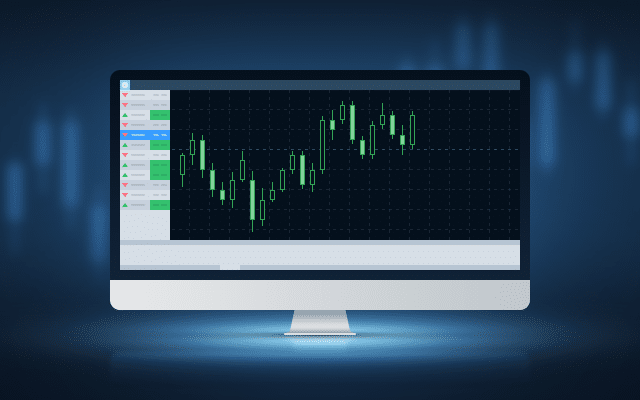
MetaTrader 4 (MT4) stands as one of the most powerful platforms available to forex traders. Its combination of advanced analytical tools, automation capabilities, and intuitive interface makes it ideal for developing a professional trading routine. To fully unlock its potential, traders must go beyond basic functionalities and strategically leverage its features. Here’s how you can make the most of mt4 to enhance your trading performance.
1. Master the Charting Tools
MT4 provides a wide range of chart types and timeframes that help traders analyze price action in depth. By using the multiple timeframe analysis technique, you can get a clearer picture of market trends and potential entry points. Customize charts by adding commonly used indicators like Moving Averages, RSI, MACD, and Bollinger Bands, and save your preferred layout using templates. This not only saves time but also brings consistency to your analysis.
Additionally, drawing tools like trend lines, Fibonacci retracements, and support/resistance markers can help you visualize key price levels and strengthen your decision-making process.
2. Utilize Expert Advisors (EAs) for Automation
One of MT4’s standout features is its support for automated trading through Expert Advisors (EAs). These are algorithmic programs that can analyze the market and execute trades based on predetermined strategies. EAs are particularly helpful for eliminating emotional bias and maintaining discipline in high-volatility conditions. You can either use pre-built EAs or develop your own using MetaEditor, depending on your trading expertise.
Even if you don’t use full automation, EAs can assist with repetitive tasks like monitoring trade setups or managing orders, allowing you to focus on strategy development.
3. Refine Strategies with the Strategy Tester
Before deploying a new trading strategy or EA, it’s crucial to test it. MT4’s built-in Strategy Tester allows you to backtest your automated strategies against historical data. This helps assess the reliability and profitability of your approach in different market conditions. Optimization features enable you to fine-tune input variables for improved performance, giving you a statistical edge before you enter the live market.
4. Implement Strong Risk Management Tools
Maximizing potential also means minimizing unnecessary losses. MT4 enables precise control of trade sizes, stop-loss, and take-profit levels. Use these tools effectively to manage your risk per trade and protect your capital. Implement trailing stops to lock in profits while allowing room for market fluctuations. Proper use of these risk controls helps ensure long-term sustainability in trading.
5. Set Up Alerts and Notifications
Staying updated is essential, especially in a fast-moving market. MT4 allows traders to set price alerts, trading signals, and platform notifications. These can be configured to appear on your desktop or sent directly to your mobile device, ensuring that you never miss an important market event or trade opportunity—even when you’re away from your desk.
Conclusion
MetaTrader 4 is more than just a trading platform—it’s a complete toolkit for traders who want to build precision, consistency, and discipline into their trading journey. By mastering its features—from charting and automation to testing and risk management—you can maximize your trading potential and operate more efficiently in the forex market. With the right approach, MT4 can become the foundation of a successful and sustainable trading strategy.
- Service
- 0
Recent Comments